100 Rebrands Later: The Patterns That Build The Best Brands

Over the years, we’ve worked on more than 100 rebrands – across different sectors, stages and ambitions. Some were about growth. Some were about survival. Others were about finally catching up to what the business had already become.

Different clients and different challenges. But the same patterns show up every time.

Branding today is faster, cheaper and more automated than ever before. But that’s exactly why these lessons matter more now than they did ten years ago – not because branding is more complicated, but because real clarity is harder to find.

Here’s what we’ve learned.

1. Founders Have to Be Involved

The most effective rebrands are the ones where founders are genuinely engaged – not approving work at the end, but helping to shape it from the beginning.

A brand is built on meaning and storytelling. When founders aren’t involved, brands tend to be more clinical and their story becomes diluted. When they are involved, decisions get sharper, stories get clearer, the work moves faster.

Strong brands carry the imprint of the people who built them. And the strongest brands build brands around their founders too.

2. Brand Strategy Is What Makes Identity Work

The projects where we jumped into visual design, before figuring out why we were doing it, were less effective and received less attention. To be blunt, they were vanity exercises.
It’s very rare that one brand can be for everyone. Picture this: you’re on stage in front of 1,000 people. What do you say? How do you speak to that many people and get them to share the same feeling?

Brand strategy is about figuring out who your market is (and if this is the right market) and shaping a brand narrative that talks directly to the people that your brand is for. 

3. Every Strong Brand Has a Core Idea

One of the most enduring concepts in branding comes from Wally Olins: the idea of a core idea.

At its simplest, it’s a sentence, sometimes a tagline, sometimes an internal phrase, that captures what the brand is and why it exists. A repeatable idea that sets the scene for everything else.

Some of our recent core idea discoveries:

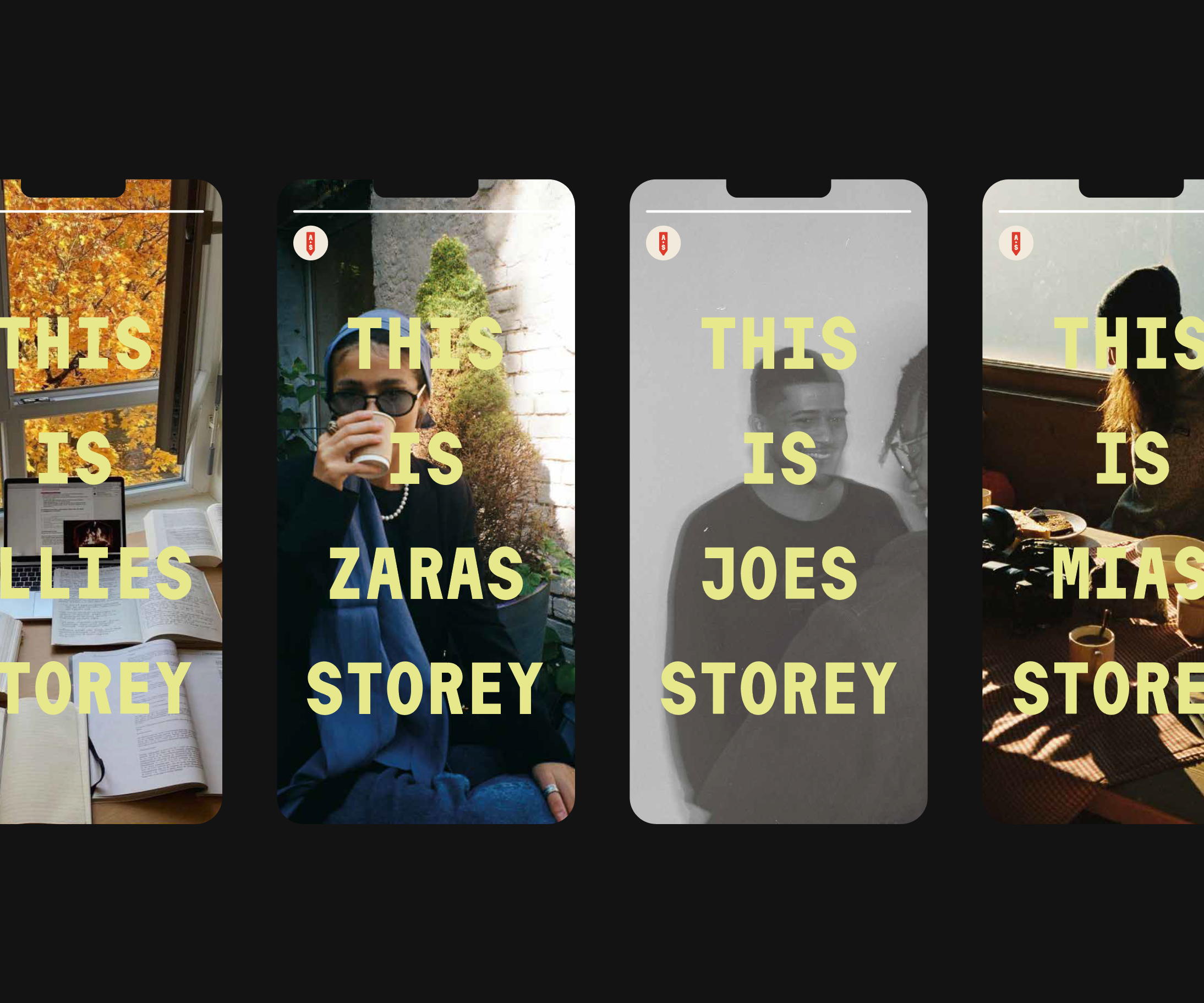
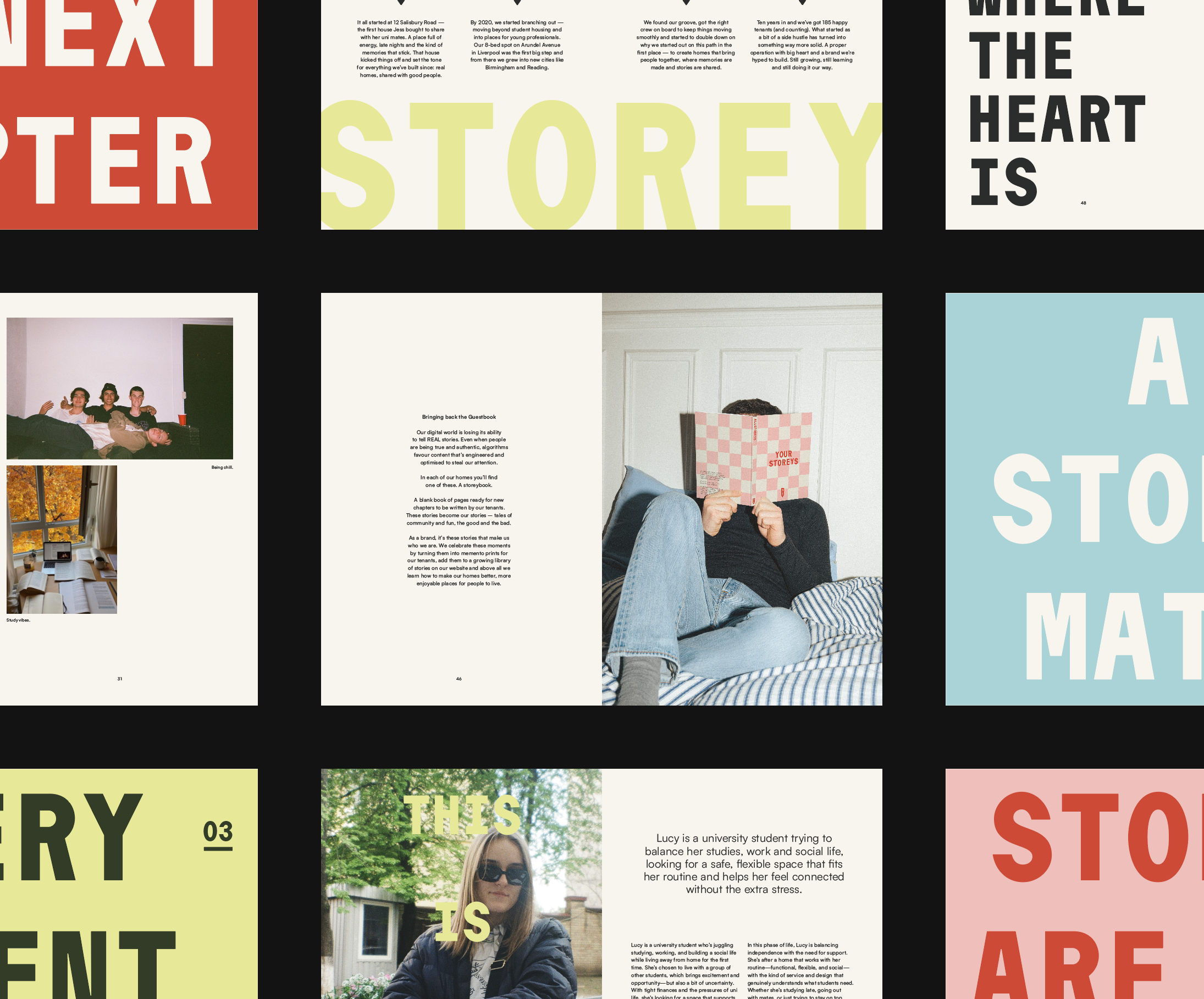
Allstoreys (Property Developer)
This is your storey

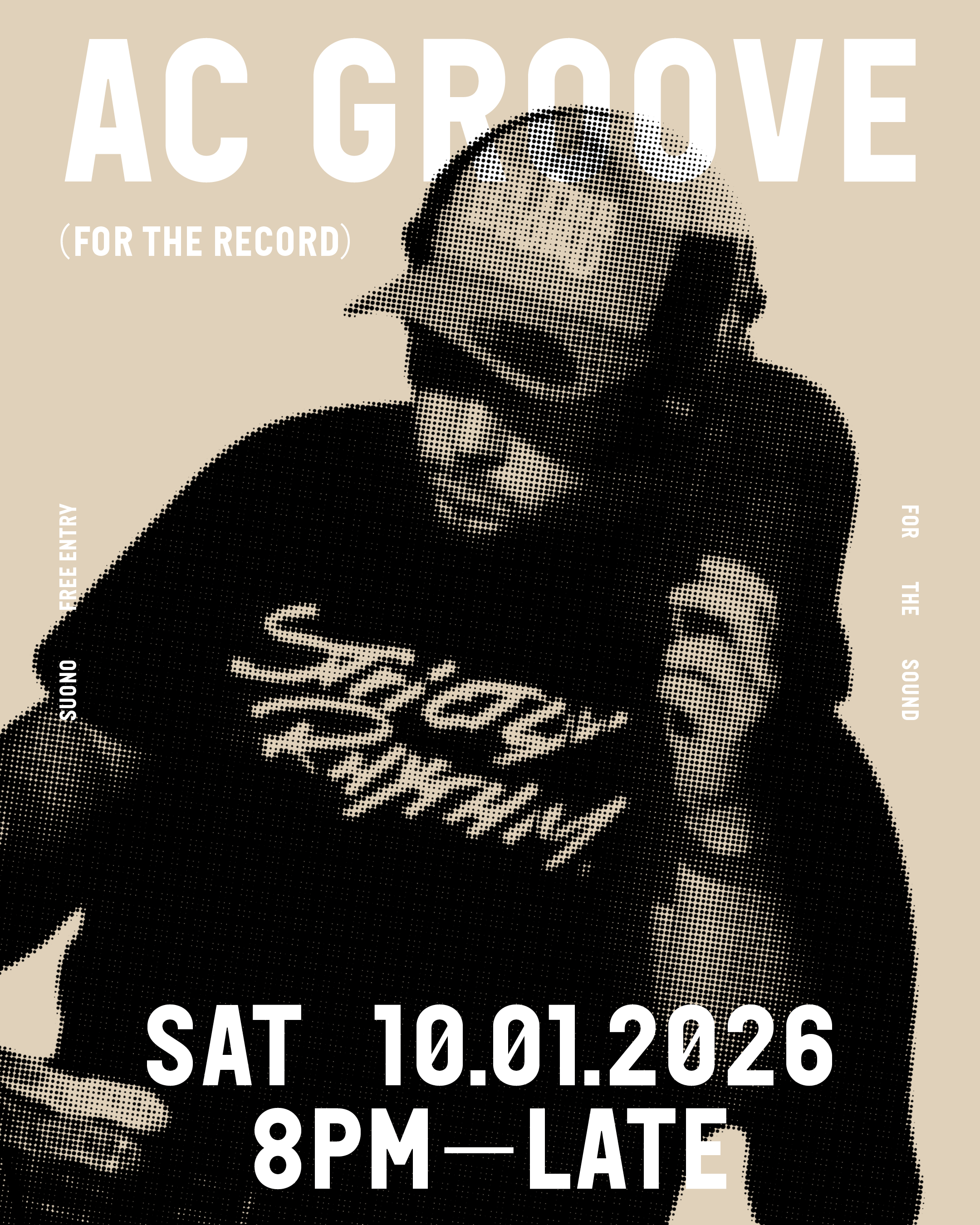
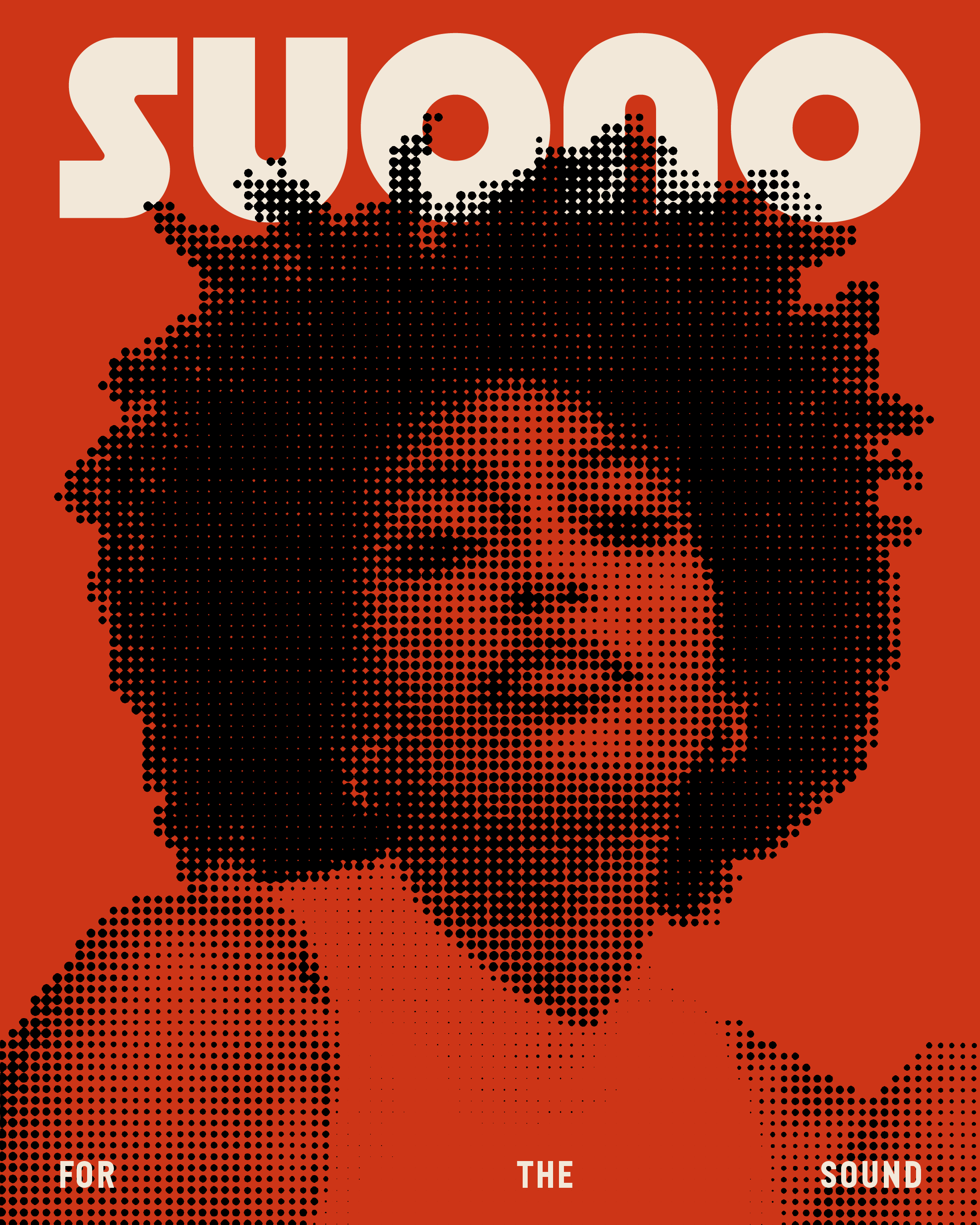
Suono (Listening bar in Liverpool)
For the sound

92 Degrees Coffee (A national coffee chain)
Damn Fine Coffee

Cosi Living (HMO Property Management)
A home worth sharing

A clear core idea helps brands make decisions, helps customers choose between one brand and another and lets everyone know what you’re all about.

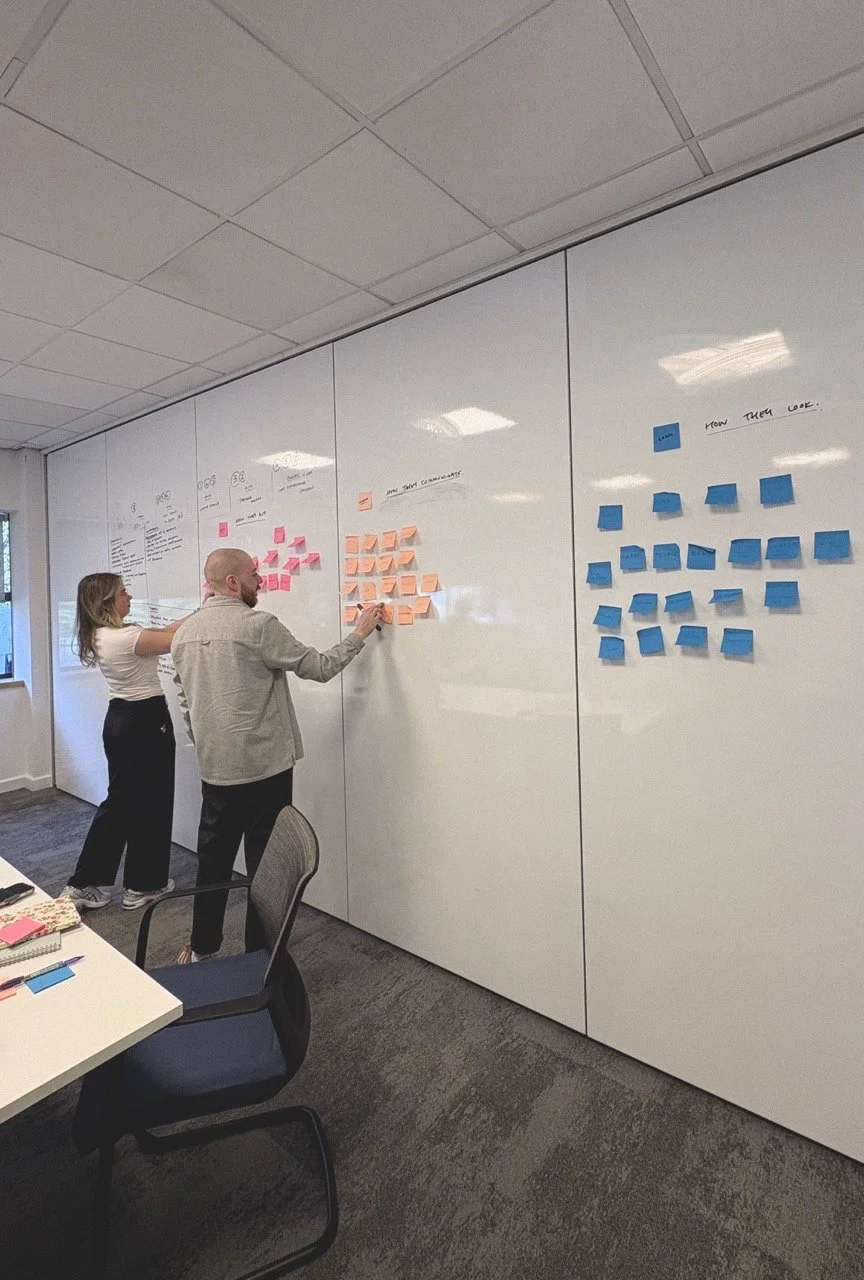
4. Brand Workshops Are A Turning Point

Again and again, we see the same thing: a brand workshop sparks a new energy in a business.

Getting key stakeholders in a room to talk honestly about customers, competitors, vision, mission and goals creates alignment that rarely happens day-to-day. Challenging questions get raised. And resolved. It replaces years of assumptions with a shared concrete understanding of where the brand is going next.

5. Typography Is the Most Important Visual Decision

Logos get the glory but typography does the work.

Type is what people read, process and interact with every day. It carries tone, authority, warmth, confidence. It defines how a brand speaks long before anyone reads the words.

The most effective identities are rarely built on clever marks alone, they’re built on strong typographic systems that scale across digital, physical and social environments.

Typography is the backbone of great branding.

6. How a Brand Feels Matters More Than How Clever It Is

Clever logos and visual gimmicks fade quickly.

In a culture increasingly driven by experience and a desire to feel more, not less, brands succeed when they evoke something real – trust, calm, confidence, excitement, belonging.

The question isn’t “Is this smart?” It’s “How does this make people feel and do they want to feel that way again?”

7. People Actively Choose Well-Designed Brands Over Rushed Ones

Detail-led, beautifully crafted brand identities consistently outperform rushed, template-driven ones.

In a world of Canva and AI-generated design, craft has become a differentiator. Not because audiences consciously analyse it but because they feel the difference.

Well-considered typography, spacing, colour, tone, layout and interaction signal care, credibility and intent. Markets respond to that often more strongly than brands expect.

8. Brands Must Be Built for Social First

Brands today are experienced in fragments: posts, stories, reels, comments. Identity systems have to flex, perform and communicate instantly at scale.

Social media is where the conversation is and where the eyeballs are. It’s where nearly every market you’re going to be focusing on is spending their time. 

It’s also incredibly volatile. The more we use it, the more we resent it. And this behaviour is shared across so many of us. So for now, make the most of it – but don’t put all your eggs in this basket.

9. Brand Experiences Are Sensory and Strategic

The most successful brand spaces engage the senses: sight, sound, smell, touch and taste. But sensory experience alone isn’t enough.

What makes it powerful is the pairing of:

Story – the story the brand tells about itself
Identity – the story customers tell about themselves by engaging with it

Service – the operational reality that underpins the experience

When these elements are intentionally designed, brands move from transactions to relationships. People WANT to tell other people about the experience they had. And the same people crave the experience again and again.

The Big Takeaway

After 100 rebrands, one thing is clear:

Strong brands aren’t built from clever ideas alone.

They’re built from clarity, alignment, craft and feeling.

In the age of speed, automation and endless choice, the brands that last are the ones that slow down enough to decide what really matters – and then execute it in meticulous detail.

Tom Woollam

Our Brand Designer Tom Woollam founded Redefine Studio in 2019 to help businesses build better brands. Today, Redefine Studio helps businesses elevate their visual identity through connecting purpose, meaning and mission with the highest level of design and visual application.

https://www.linkedin.com/in/tomwoollam/
Next
Next

Suono: A Brand New Liverpool Listening Bar For The Sound